
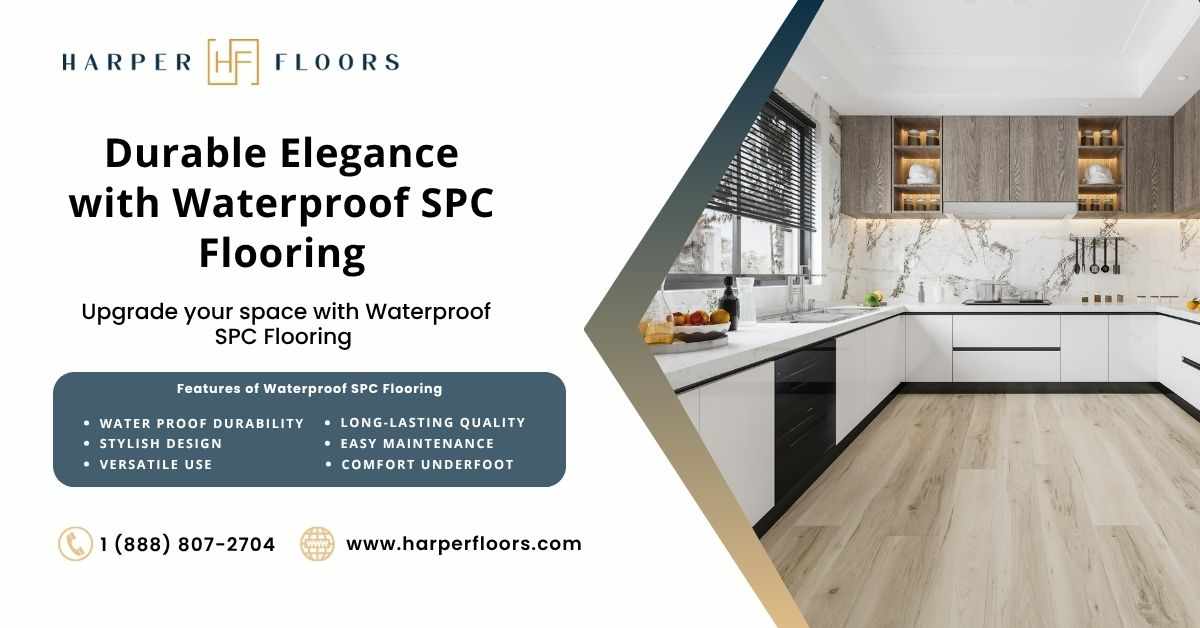
SPC flooring has become a go-to surface for busy households and style-conscious spaces that need performance without drama. Built on a limestone composite core, it holds its shape, shrugs off water, and mimics natural materials convincingly. Whether you favor the look of SPC wood flooring or the versatility of SPC vinyl flooring, you get rigid core strength that stands up to everyday life.
If you have pets, kids, or splash-prone rooms, consider it a strong candidate for best flooring for kitchens and bathrooms and waterproof flooring for bathrooms. Homeowners also love that many collections qualify as rigid core vinyl plank flooring, which installs quickly and feels stable underfoot.

Why SPC Flooring Stands Out
SPC flooring pairs a dense stone composite core with PVC layers, a high-resolution décor film, and a protective wear coat. That rigid core resists dents, heat, and cold better than traditional vinyl while staying fully waterproof.
Key Advantages You Will Notice:
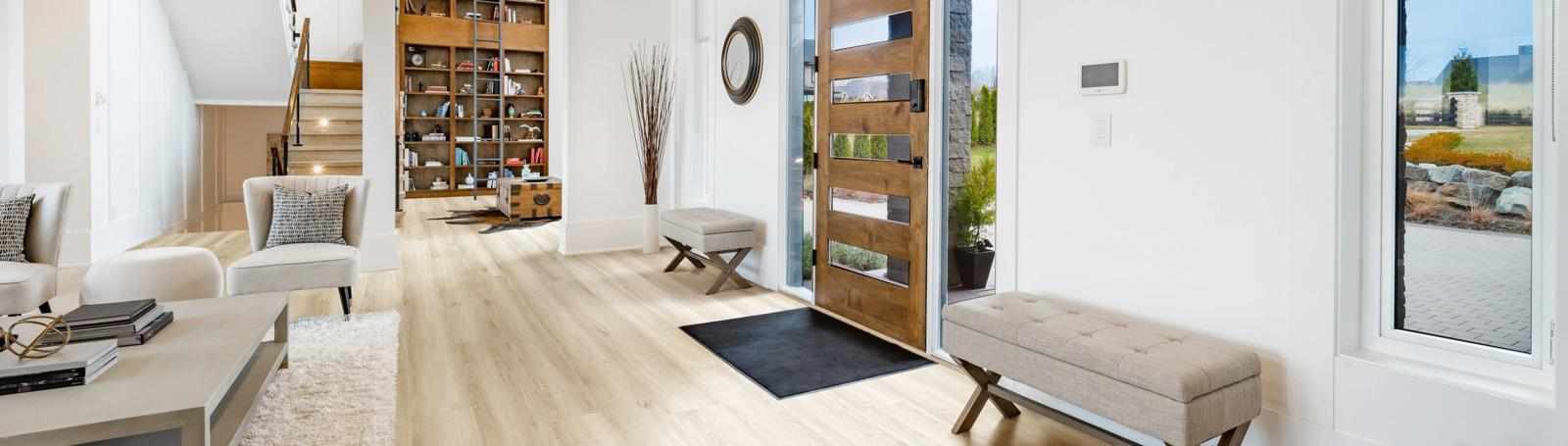
Durable performance in high traffic areas, including entries and hallways
Waterproof confidence in kitchens, bathrooms, laundry rooms, and basements
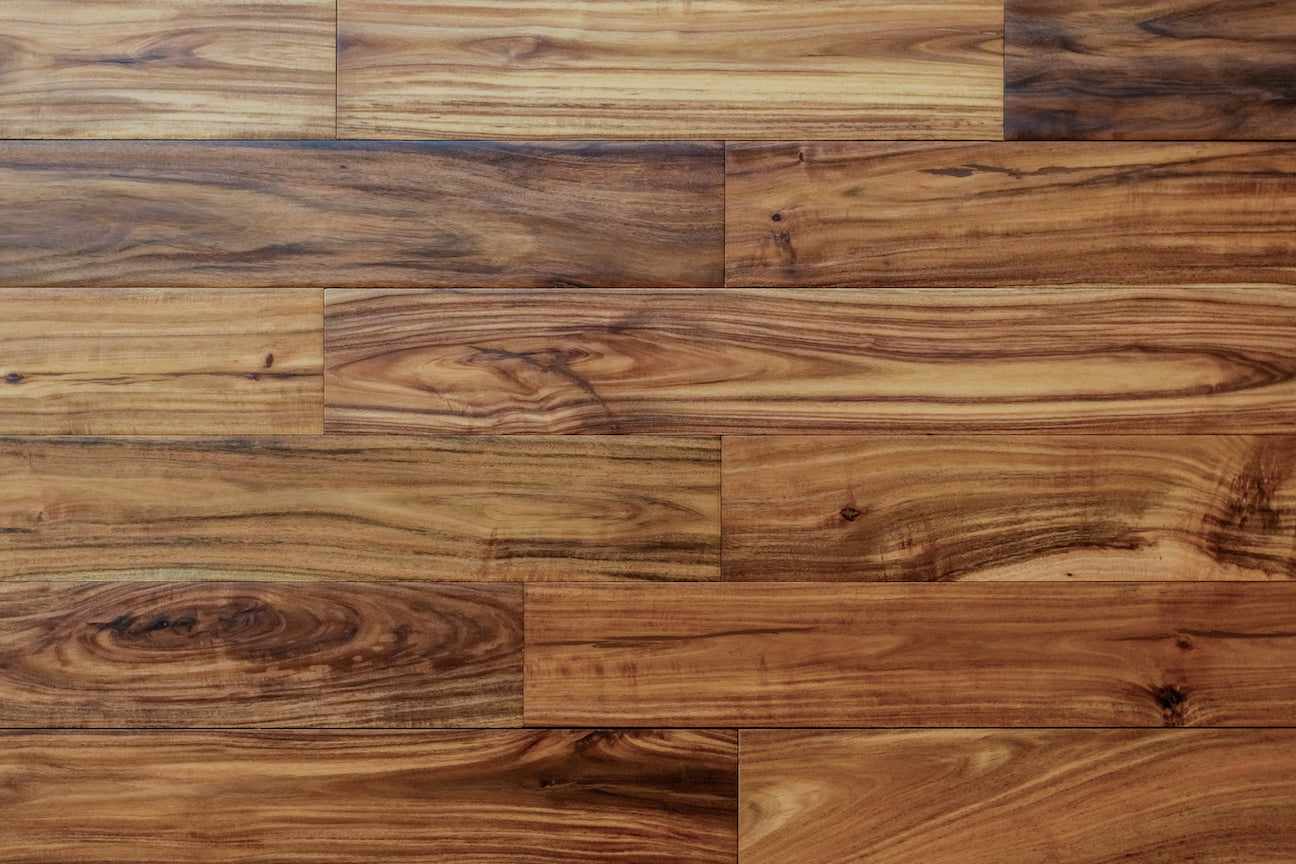
Realistic wood and stone visuals with textured finishes that hide minor scuffs
Click-lock installation that speeds up weekend projects
Low maintenance routines that fit busy schedules
Solid dimensional stability near large windows and HVAC vents
Practical Insights: A quality attached underlayment improves acoustics and comfort, and micro-bevel edges on SPC wood flooring tend to disguise dust lines, which keeps floors looking cleaner day to day.

Compare SPC to Vinyl, WPC, and Laminate
If you are deciding between categories, start with the core. Traditional vinyl is flexible, which can feel softer but makes it more prone to telegraph subfloor imperfections. WPC uses a wood-plastic core that is slightly cushier underfoot, helpful in living zones where you stand for long periods. Laminate relies on fiberboard, so moisture is its weak spot, especially at seams.
SPC takes a different path. Its stone composite rigid core adds density and stability, so planks stay flat, resist temperature swings, and handle heavy furniture without obvious indentations. That is why SPC vinyl flooring is often the safer choice in high-traffic, moisture-prone areas. If comfort is your top priority, WPC has a slight edge under bare feet. If top-tier moisture performance and impact resistance matter more, SPC wins. For dry rooms where budget rules, laminate can work, but it needs careful moisture control.
Quick Rule of Thumb: Choose SPC flooring for stability first, WPC for softness first, traditional vinyl for maximum flexibility, and laminate only where humidity is tightly managed.
Installation Basics That Pay Off
Acclimate the product in the room for 24 to 48 hours.
Keep the subfloor clean, dry, and within flatness tolerance. High spots or deep dips lead to gaps and clicks that never seat right.
Use the correct tapping block and pull bar, and stagger seams for strength.
Float the floor with expansion gaps at all fixed edges. Do not trap planks under heavy built-ins.
On radiant heat, follow the manufacturer’s maximum temperature guidance.
Many lines of SPC wood flooring include an attached IXPE or EVA pad, which reduces footfall noise and streamlines installation. That combination makes it an efficient pick for multi-level homes and condos.
Design and Selection Guidance
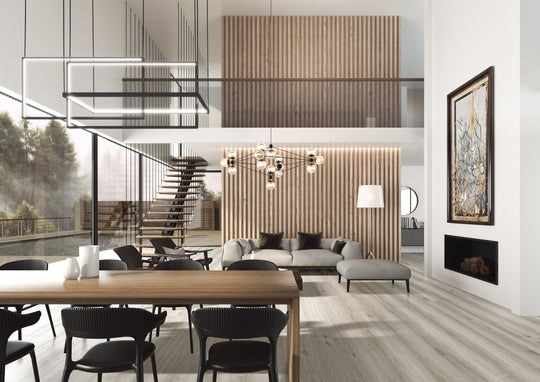
Start with performance, then tailor the look. A thicker wear layer, ideally 20 mil or more, makes sense for kitchens, mudrooms, and family spaces. Total plank thickness of 5 to 7 mm strikes a practical balance between comfort and stability. If you want premium realism, seek embossed-in-register textures on SPC wood flooring, which align grain movement with the print film for a more convincing appearance.
Style Tips to Dial in Your Space:
In smaller rooms, longer and wider planks visually expand the footprint.
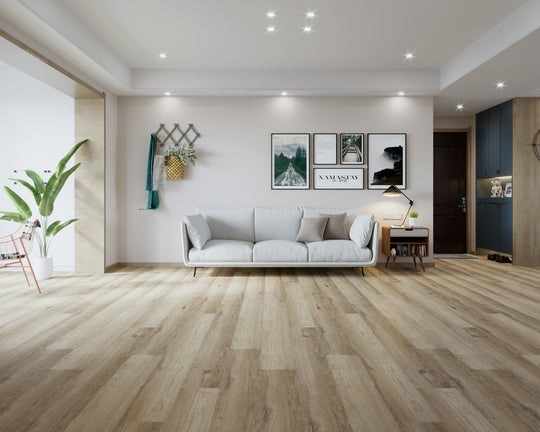
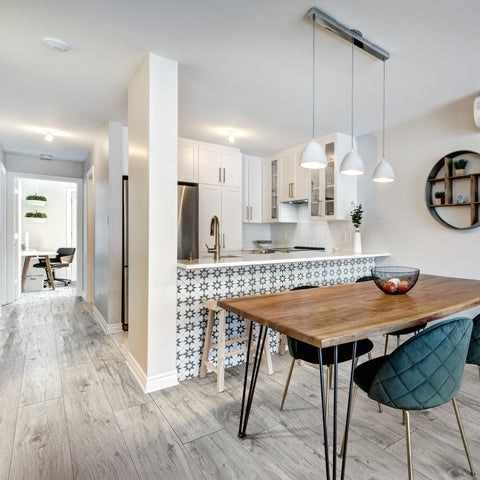
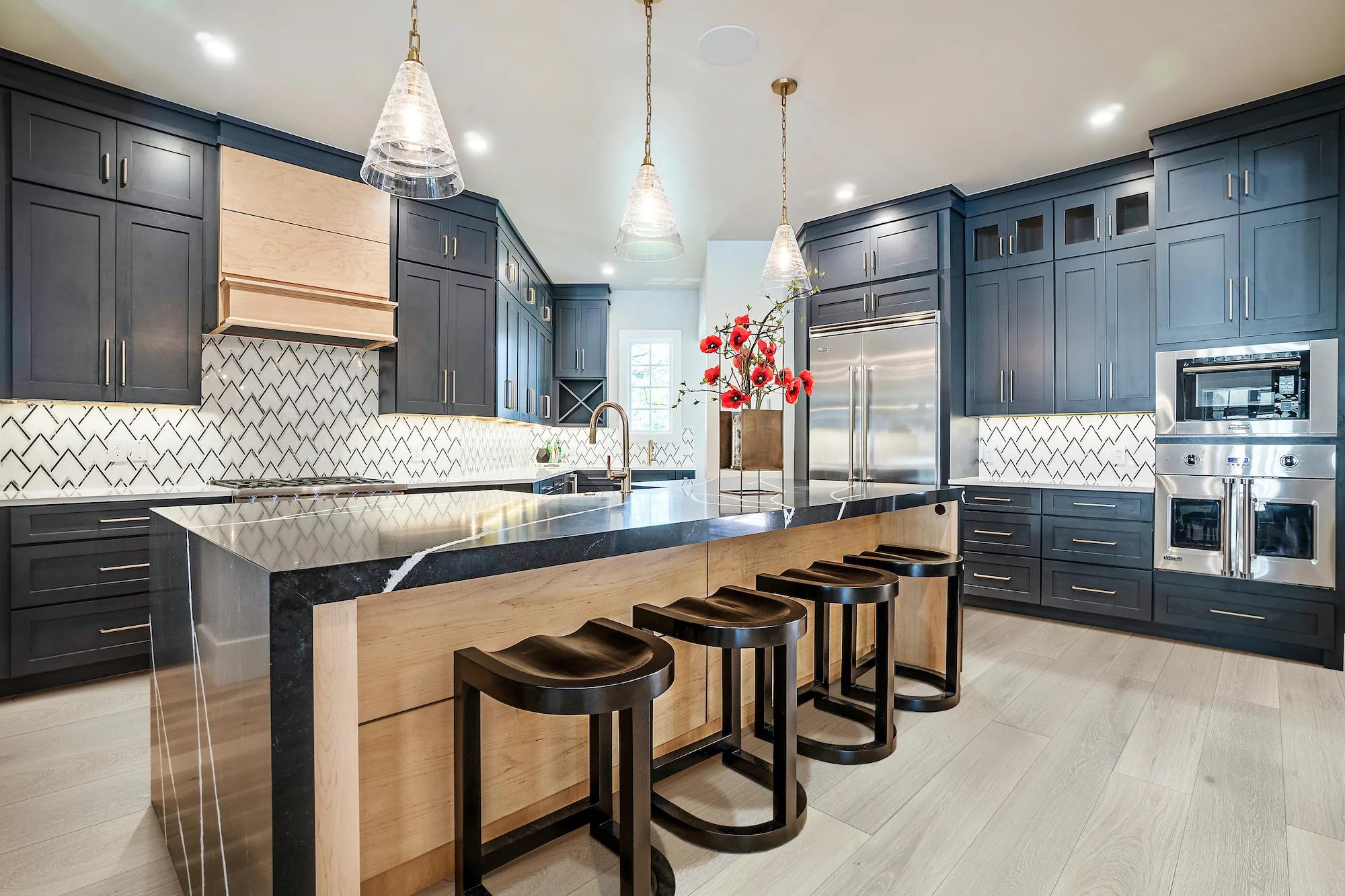
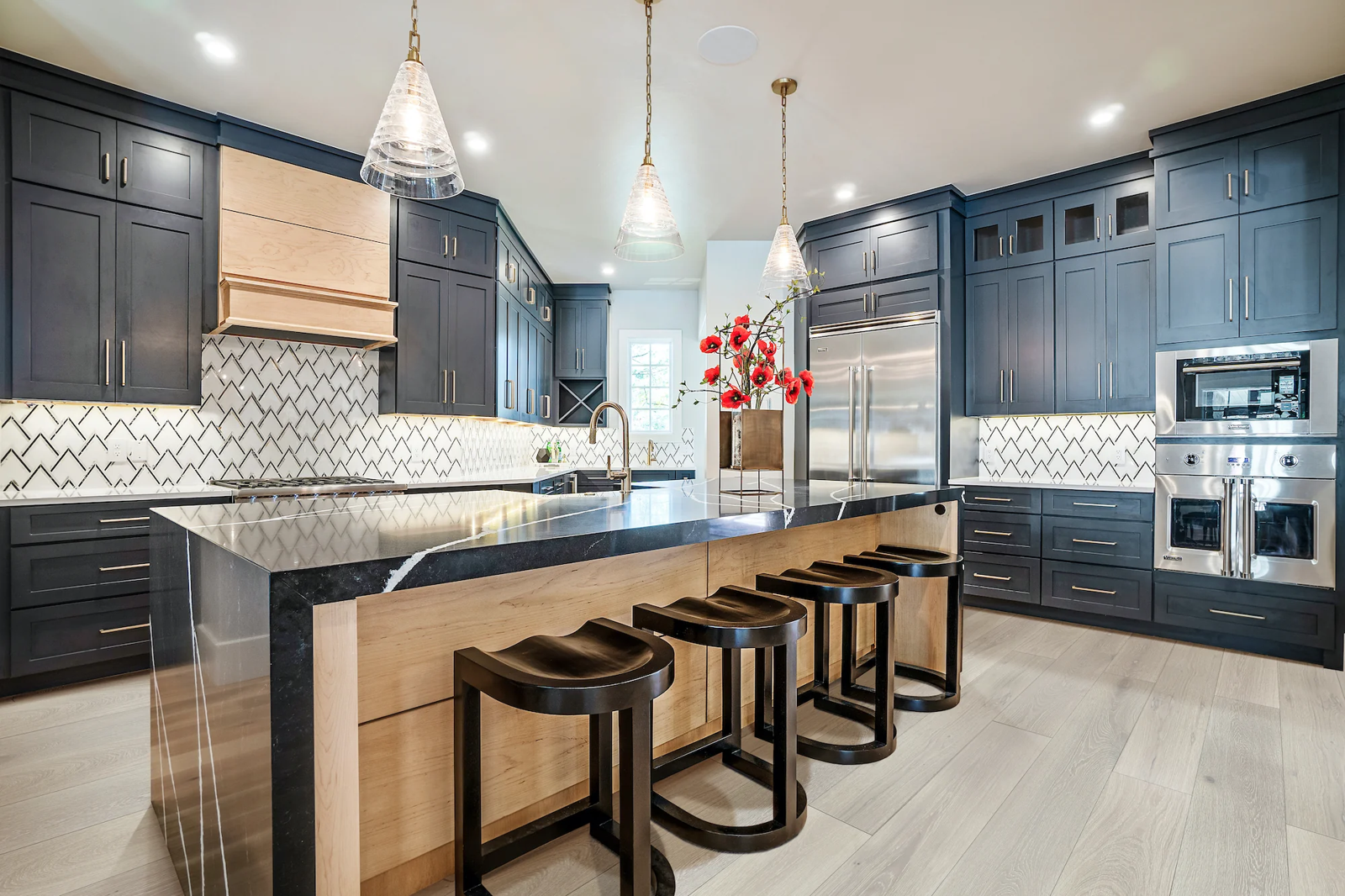
Light oak, ash, and soft maple tones brighten kitchens, which supports best flooring for kitchens and bathrooms goals.
For basements, matte finishes reduce glare and create a grounded, cozy feel, ideal for waterproof flooring for basements.
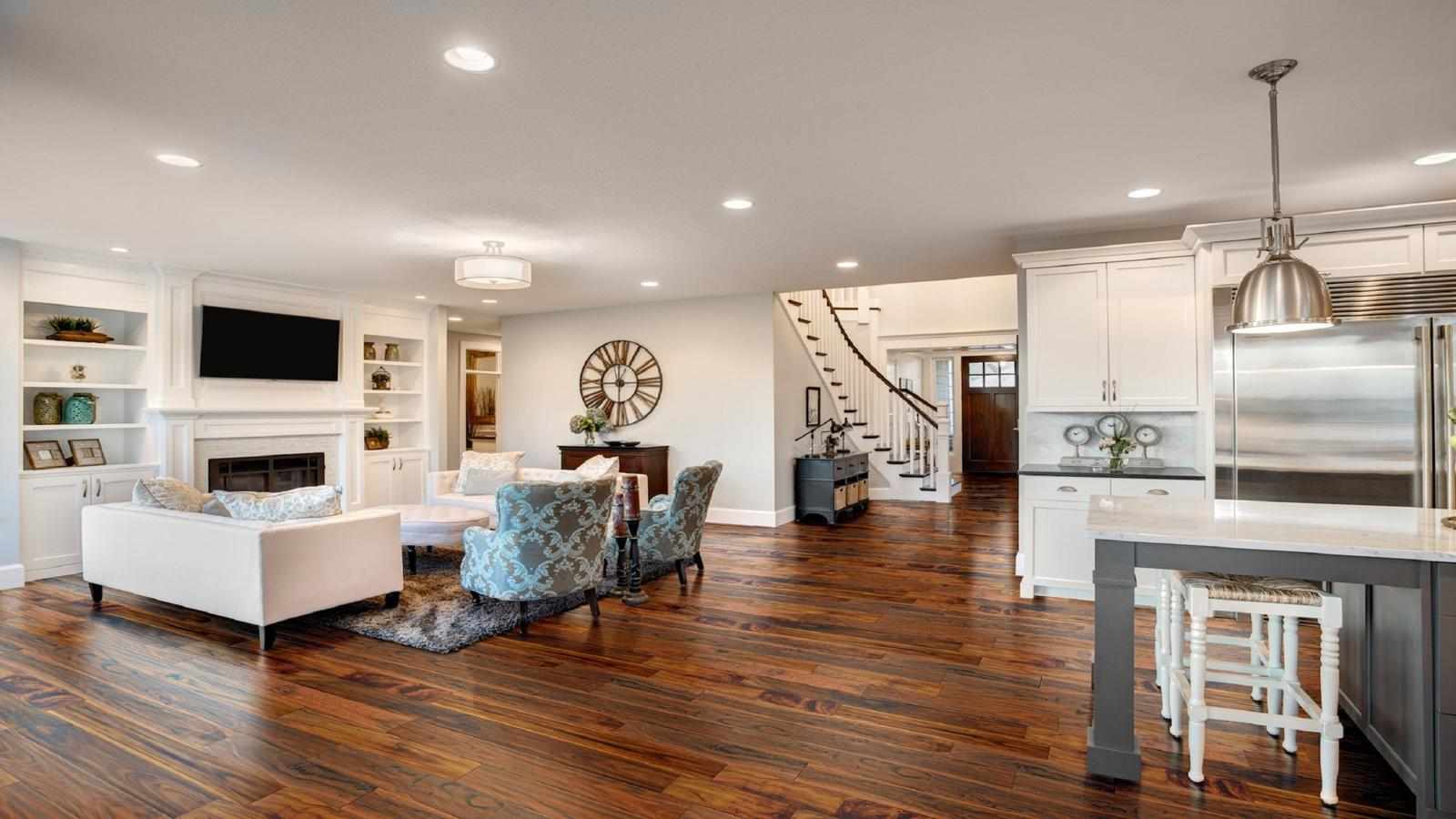
If your home has open sightlines, pick one core color family and vary tone subtly between rooms to maintain flow.
SPC vinyl flooring also shines in rentals and home offices because it blends durability with a professional look that does not feel fussy.

Conclusion
SPC flooring blends waterproof resilience, rigid core stability, and authentic style in a package that makes sense for modern living. From realistic SPC wood flooring looks to versatile SPC vinyl flooring options, it delivers dependable performance where spills, pets, and foot traffic are part of the routine.
For homeowners and trade pros who want rigid core vinyl plank flooring that installs fast and stays stable, SPC flooring is a future-ready choice. Harper Floors offers curated SPC collections engineered for easy installs, long-term performance, and cohesive visuals across the whole home.
FAQs
1. Can SPC vinyl flooring go over tile?
Yes, if the existing tile is sound, flat, and clean. Fill deep grout lines to maintain support and prevent joint stress.
2. Is SPC wood flooring comfortable enough for long cooking sessions?
It is firmer than WPC, but an attached pad and a cushioned mat at the sink or range make it comfortable for extended standing.
3. How long does SPC flooring last at home?
With a suitable wear layer and routine care, 15 to 25 years is realistic for residential use.



Write a comment ...